
What Cannabis Looked Like in the 70’s
Ask anyone who was around for it, and they’ll tell you cannabis in the 1970s barely resembles what’s on dispensary shelves today. Between the potency, the packaging, and what actually made it into the bag, cannabis in the 70s was a completely different product from what people smoke now, and understanding that gap says a lot about how far cultivation has come.
How Strong Was 70s Weed, Really?
The short answer: not very, at least compared to today. Cannabis in the 1970s averaged around 2% to 3% THC, based on samples tested through federal monitoring programs during that era, while today’s cannabis typically ranges from 15% to over 25% THC. That means modern weed is roughly five to ten times more potent than what most people were smoking fifty years ago.
Some strains did push higher. THC levels across different 1970s strains ranged more broadly between 1% and 8%, with rare, higher-quality sinsemilla batches reaching further above that floor. But those were the exception, not the norm.
What Was Actually in the Bag
Here’s the part that really separates 70s weed from what you’d find in a dispensary today: most of it wasn’t even bud. The dominant form of cannabis in the 1970s was imported brick weed, compressed blocks shipped primarily from Mexico, Colombia, and Jamaica, packed with stems, seeds, and leaves along with whatever flower made it into the mix. Very little of it was sinsemilla, the seedless female flower where THC concentrates most heavily.
That mattered more than people realized at the time. Because so much of the plant material wasn’t actually the potent part, an average bag delivered a fraction of the cannabinoid content that today’s flower does, even setting aside genetics entirely.
The Sinsemilla Shift That Changed Everything
The seeds of the modern potency boom were planted in this decade, even if nobody smoking a joint in 1975 could’ve predicted where it would lead. Sinsemilla cultivation, separating male and female plants so females never get pollinated, emerged in the 1970s and became widespread through the 1980s. Because an unpollinated female channels her energy into denser, resin-packed buds instead of seed production, this single agricultural shift roughly tripled average THC content, from around 2% to roughly 6%.
That was the first real potency revolution. Everything since, hydroponics, selective breeding, indoor grow lighting, live resin and rosin extraction, built on top of what sinsemilla started.
The Strains People Actually Smoked
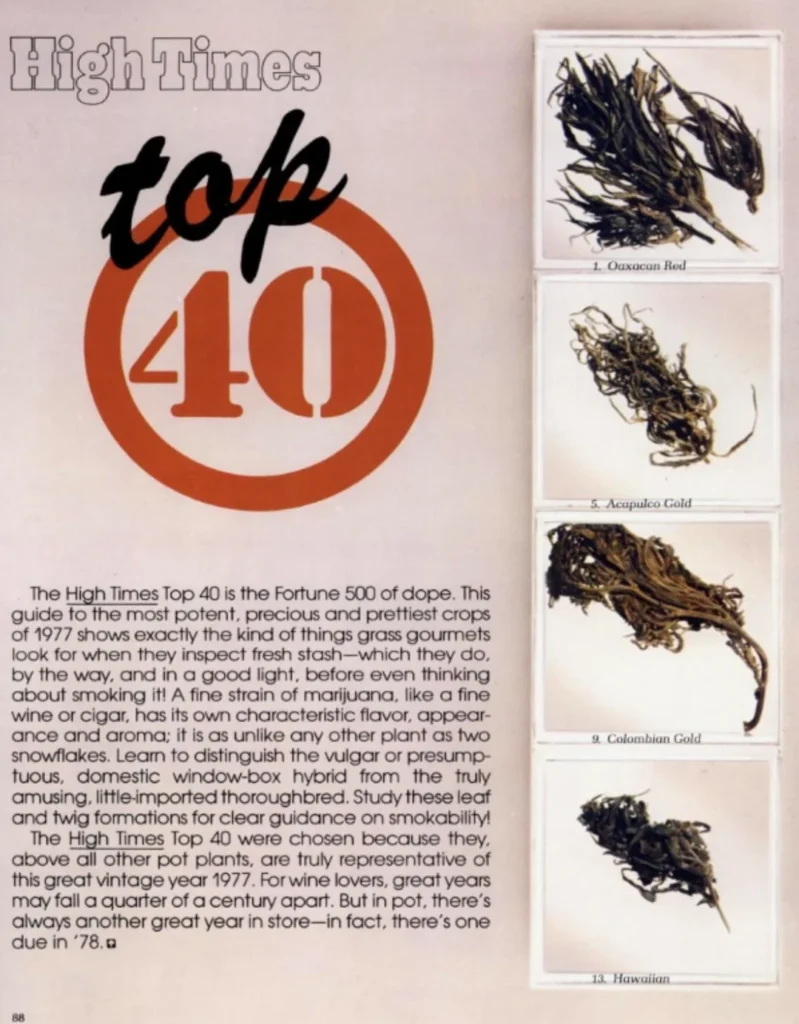
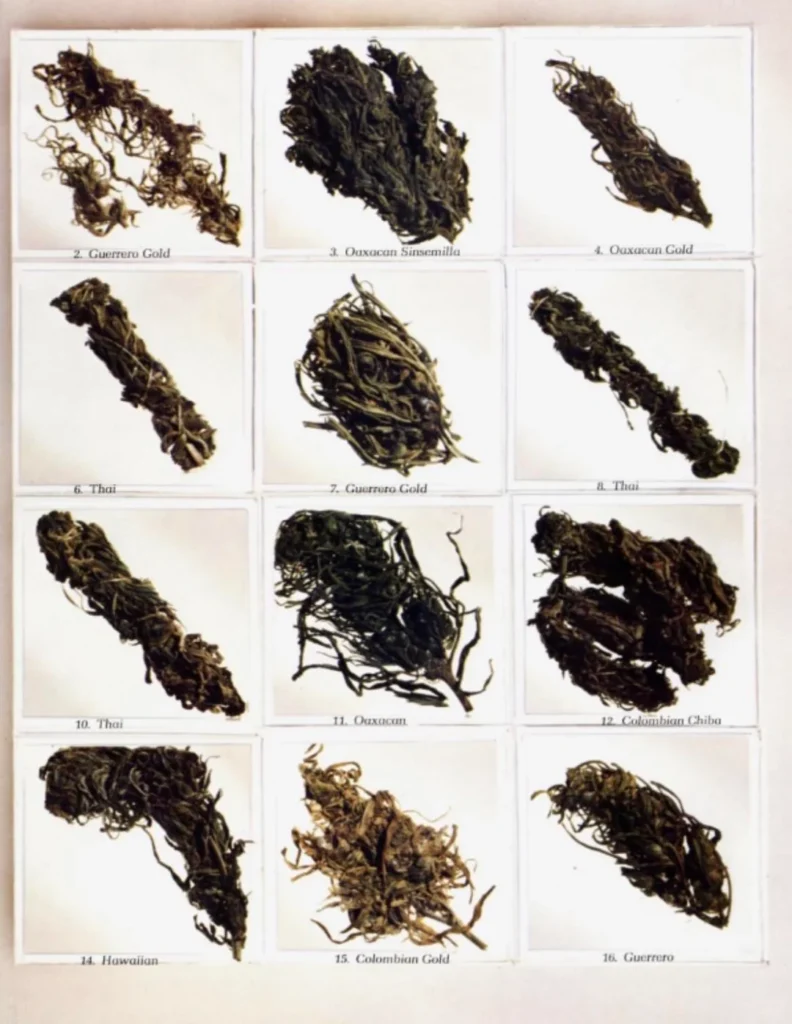
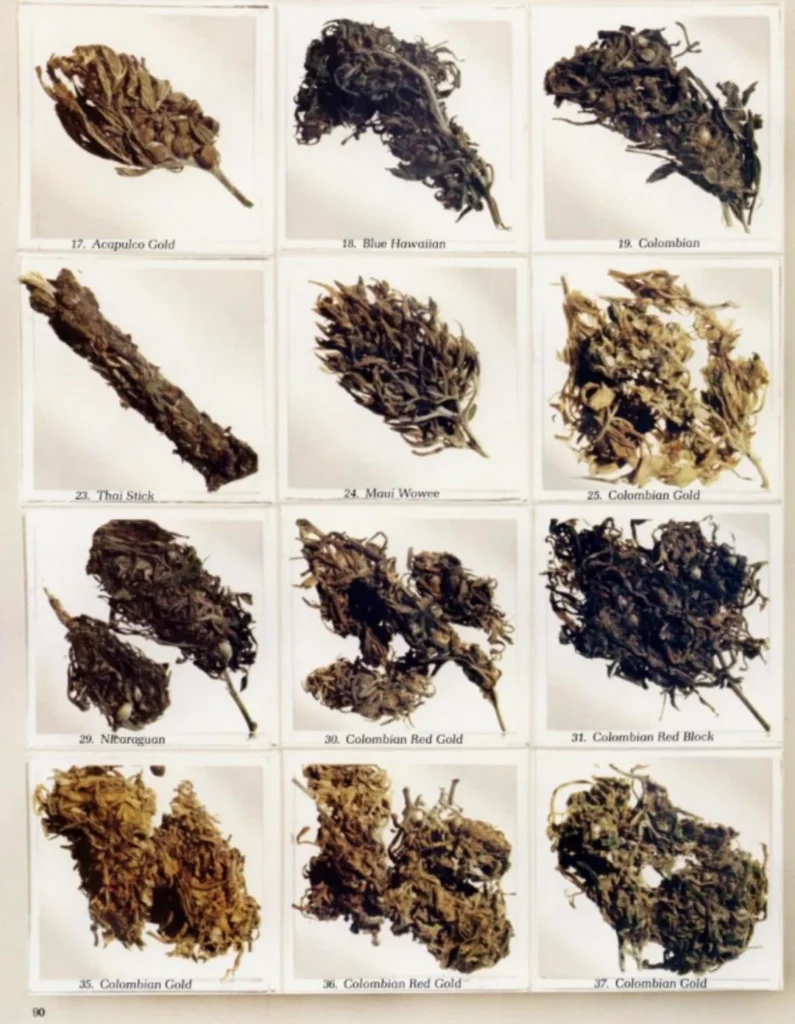
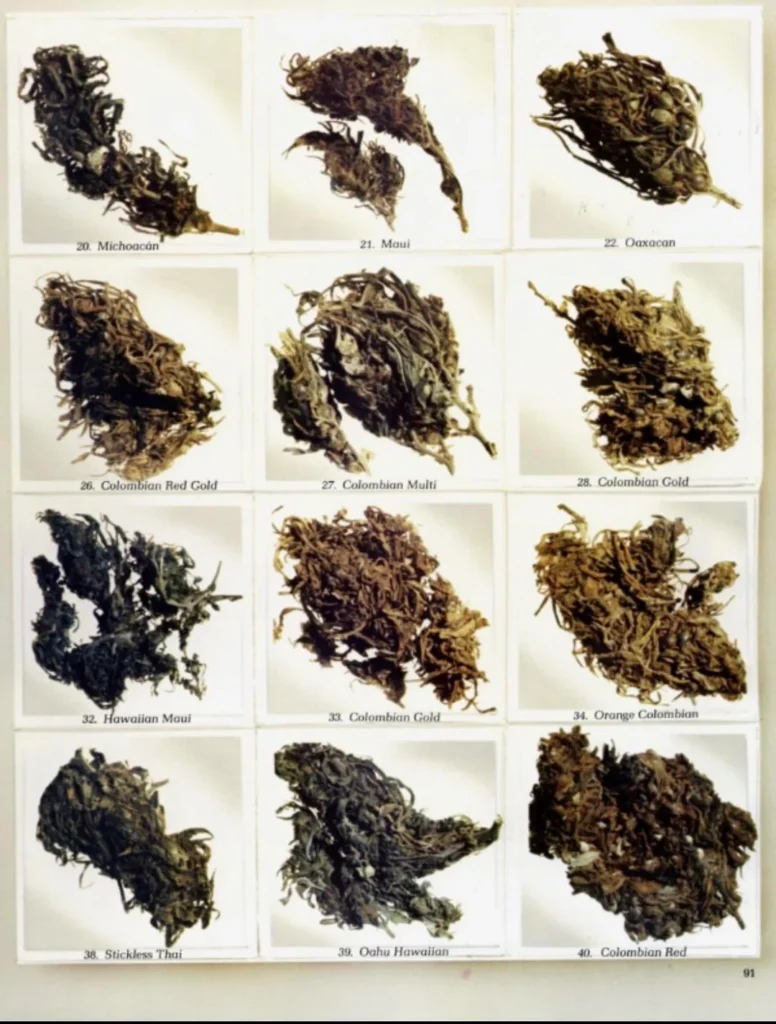
Landrace sativas dominated the decade. Names like Acapulco Gold, Panama Red, Colombian Gold, and Thai Sticks defined the era, imported, distinctly regional, and nowhere near as engineered as today’s hybrid strains. These strains were prized specifically because they were stronger and more consistent than the average brick weed most people were buying.
Rolling, Not Vaping Cannabis In The 70s
Consumption looked different too. Most smoking was done through joints, since anti-paraphernalia laws made pipes and bongs riskier to carry or display openly. There was no vaping, no dabbing, and no 10mg-dosed edibles, dosing itself wasn’t really a concept yet, since nobody was measuring THC content on a package label.
No Regulation, No Guarantees Cannabis In The 70s
Quality control simply didn’t exist. There was no lab testing, no potency labeling, and no consistency guarantee from bag to bag, a sharp contrast to today’s dispensary market, where every product is tested and labeled before it reaches a shelf.
From Bricks to Precisely Dosed Chews
The distance between a 2% THC brick of stems and seeds and a modern 10mg live resin gummy is the story of fifty years of cultivation science, extraction technology, and regulation. If you’re curious what all that progress actually tastes and feels like today, shop our Delta 9 THC gummy lineup, precisely dosed, lab-tested, and about as far from a 1970s brick as cannabis gets.
How Strong Was 70s Weed, Really?
The short answer: not very, at least compared to today. Cannabis in the 1970s averaged around 2% to 3% THC, based on samples tested through federal monitoring programs during that era, while today’s cannabis typically ranges from 15% to over 25% THC. That means modern weed is roughly five to ten times more potent than what most people were smoking fifty years ago. Some of the most cited historical data on this comes from the University of Mississippi’s Potency Monitoring Program, which has tracked confiscated cannabis samples for decades.
Some strains did push higher. THC levels across different 1970s strains ranged more broadly between 1% and 8%, with rare, higher-quality sinsemilla batches reaching further above that floor. But those were the exception, not the norm.
The Sinsemilla Shift That Changed Everything
The seeds of the modern potency boom were planted in this decade, even if nobody smoking a joint in 1975 could’ve predicted where it would lead. Sinsemilla cultivation, separating male and female plants so females never get pollinated, emerged in the 1970s and became widespread through the 1980s, a shift documented in Leaf Magazine’s history of sinsemilla cultivation. Because an unpollinated female channels her energy into denser, resin-packed buds instead of seed production, this single agricultural shift roughly tripled average THC content, from around 2% to roughly 6%.
